


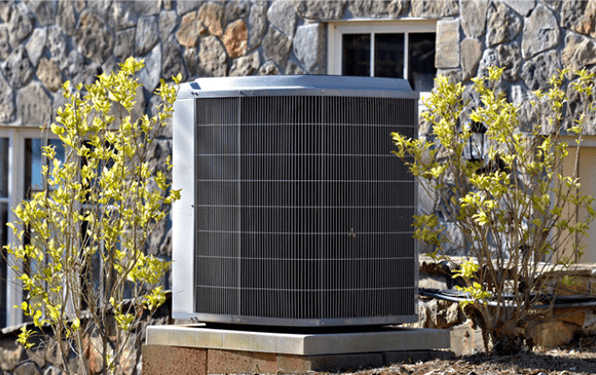
Figure 1: Air conditioner outdoor unit.
When it comes to cooling your home, you have two main options: a heat pump or a central air conditioner. Both systems work to remove heat from your home and circulate cool air throughout, but they operate in different ways.
In this article, we will explore the differences between heat pumps and central air conditioners to help you determine which one is right for you.
Before comparing them, it is necessary to understand their respective working principles and advantages and disadvantages. From these introductions, you can also learn some differences between them.
1. How Does a Heat Pump Work?
A heat pump is a two-in-one system that can both heat and cool your home. The process of how a heat pump works can be broken down into four main steps:
Refrigerant Absorption: The process begins when the heat pump's refrigerant, a substance that absorbs and releases heat, is pumped into the evaporator coil, which is located inside your home.
Heat Absorption: As the refrigerant flows through the evaporator coil, it absorbs heat from the indoor air, which cools the air in your home. The now-warmed refrigerant then moves to the compressor.
Heat Release: The compressor pressurizes the refrigerant, causing it to heat up. The hot refrigerant is then sent to the condenser coil, which is located outside your home.
Heat Transfer: As the hot refrigerant flows through the condenser coil, it releases the heat it absorbed from the indoor air. The heat is transferred to the outside air, which cools the refrigerant, and the process starts all over again.
This process of heat absorption and release continues until your home reaches the desired temperature. In the summer, a heat pump operates in the same way as an air conditioner, extracting heat from indoor air and releasing it outside.
During the winter, the heat pump reverses the process, extracting heat from outdoor air and releasing it inside your home through the same system.
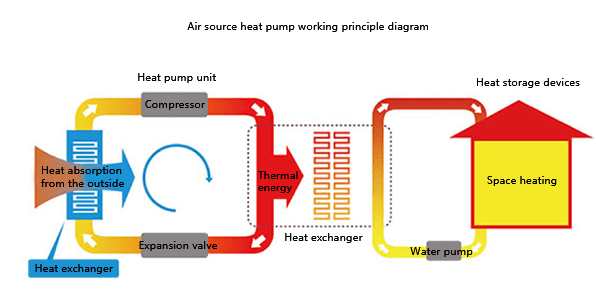
Figure 2: Air source heat pump working principle diagram.
2. Pros and Cons of a Heat Pump
2.1 Pros:
Energy Efficiency - Heat pumps are known for their energy efficiency, as they use electricity to move heat rather than generate it. This means they can provide heating and cooling at a fraction of the cost of traditional heating and cooling systems.
Dual Functionality - The fact that heat pumps can both heat and cool your home makes them a versatile and convenient option.
Environmentally Friendly - Because they use electricity rather than burning fossil fuels, heat pumps are a more environmentally friendly option.
2.2 Cons:
Upfront Cost - Heat pumps can be more expensive to install than traditional heating and cooling systems.
Climate Limitations - Heat pumps work best in moderate climates, as they rely on outdoor air to provide heat. In extremely cold temperatures, they may not be as effective.
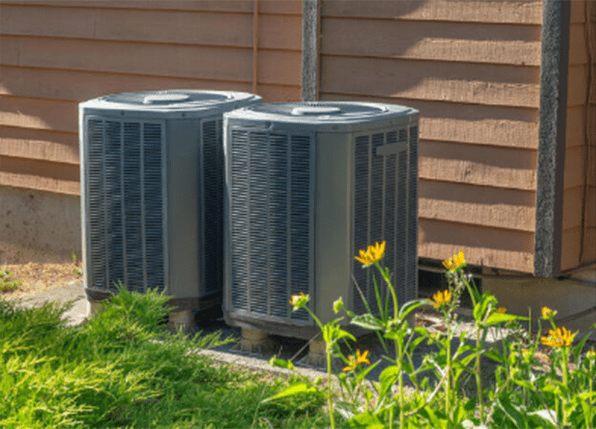
Figure 3: Heat pump outdoor units.
3. How Does a Central Air Conditioner Work?
A central air conditioner is a system that cools your home by removing heat from indoor air and transferring it outside. It is a single-function system that only provides cooling.
Central air conditioners work by using a process called refrigeration to remove heat and humidity from indoor air and transfer it outside. The process can be broken down into five main steps:
Refrigerant Compression: The air conditioner's compressor pumps refrigerant, a substance that absorbs and releases heat, into the condenser coil, which is located outside your home.
Heat Release: As the refrigerant flows through the condenser coil, it releases the heat it absorbed from indoor air. The heat is transferred to the outside air, which cools the refrigerant.
Expansion: The now-cooled refrigerant flows through an expansion valve, which reduces its pressure and temperature.
Heat Absorption: The cool refrigerant flows through the evaporator coil, which is located inside your home. As it does, it absorbs heat from the indoor air, which cools the air in your home.
Air Circulation: The cooled air is then circulated back into your home through the ductwork, while the warm refrigerant continues to flow back to the compressor to start the process over again.
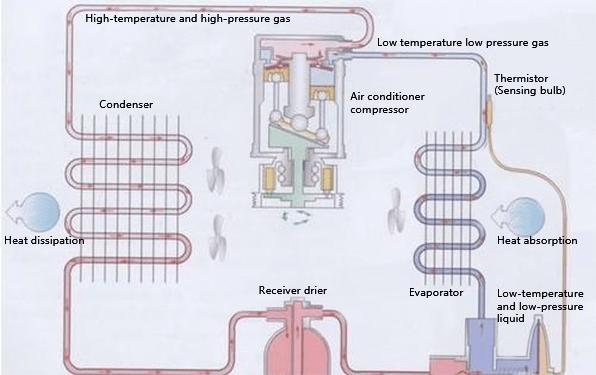
Figure 4: Central air-conditioning working principle diagram.
4. Pros and Cons of a Central Air Conditioner
4.1 Pros:
Cooling Capacity - Central air conditioners are designed specifically for cooling and are therefore very effective at removing heat from your home.
Lower Upfront Cost - Central air conditioners are typically less expensive to install than heat pumps.
Easy Maintenance - Central air conditioners require minimal maintenance, making them a low-maintenance option.
4.2 Cons:
Energy Efficiency - Central air conditioners can be less energy efficient than heat pumps, as they rely on electricity to generate cool air rather than move heat.
Limited Functionality - Central air conditioners only provide cooling, which means you will need a separate heating system.
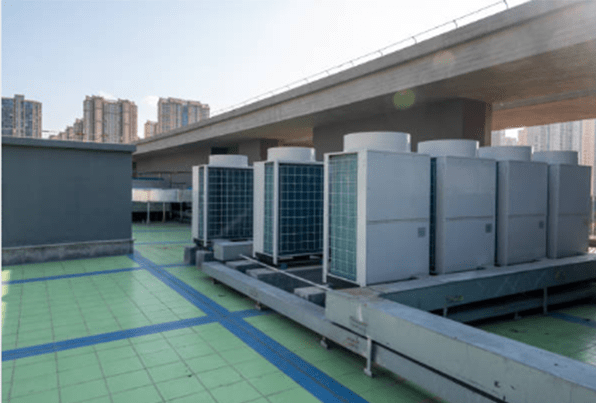
Figure 5: Central air conditioner outdoor units.
5. Heat Pump vs Central Air Conditioner: Feature Comparisons
5.1 Energy Efficiency
Heat pumps are generally more energy-efficient than central air conditioners since they don't generate heat, but rather transfer it from one place to another. This means that they can provide the same amount of cooling as a central air conditioner while using less energy.
However, if you live in a colder climate and rely on your heat pump for heating, it may not be as energy-efficient during the winter months. This is because the heat pump needs to work harder to extract heat from the cold outdoor air, which can reduce its efficiency.
Central air conditioners, on the other hand, are generally less energy-efficient than heat pumps since they generate heat. However, if you live in a warmer climate and don't need heating during the winter months, a central air conditioner may be the more energy-efficient option.
5.2 Installation and Maintenance
When it comes to installation and maintenance, both heat pumps and central air conditioners require professional installation and regular maintenance to ensure optimal performance.
Heat pumps require a larger upfront investment than central air conditioners since they provide both heating and cooling. However, they can save you money in the long run by reducing your energy bills.
Central air conditioners are typically less expensive to install than heat pumps, but they require more regular maintenance to keep them running efficiently.
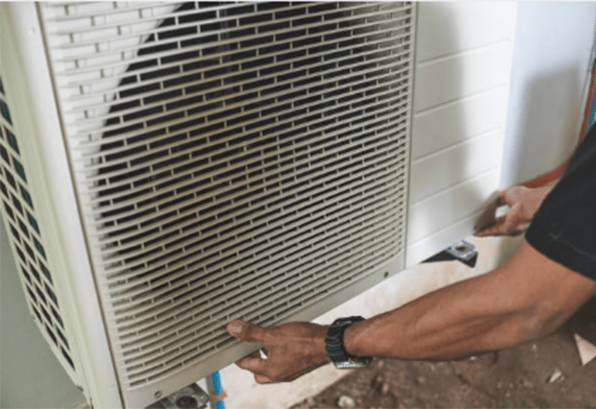
Figure 6: Air conditioner unit maintenance.
5.3 Durability
Both heat pumps and central air conditioners are built to last, but they have different lifespans.
Heat pumps typically last between 10 and 15 years, while central air conditioners can last up to 20 years with proper maintenance. However, this can vary depending on factors such as usage, climate, and maintenance.
If you're looking for a system that will last longer, a central air conditioner may be the better option. However, if you prioritize versatility over longevity, a heat pump may be the better choice.
6. Which One is Right for You?
When deciding between a heat pump and a central air conditioner, there are several factors to consider.
● Climate - If you live in a moderate climate, a heat pump may be the best option for you. If you live in an area with extreme temperatures, a central air conditioner may be more effective.
● Energy Efficiency - If energy efficiency is a top priority for you, a heat pump is likely the better option.
● Upfront Cost - If upfront cost is a concern, a central air conditioner may be the more affordable option.
● Dual Functionality - If you want a system that can both heat and cool your home, a heat pump is the way to go.
7. Conclusion
Both heat pumps and central air conditioners can effectively cool your home, but they operate in different ways and have different pros and cons. When deciding which one is right for you, consider your climate, energy efficiency needs, upfront cost, and desired functionality. With the right system in place, you can keep your home comfortable and cool all summer long.
Related Info
Heat Pump vs Mini Split: Which is Better for Your Home?How Do I Know If I Have a Heat Pump or an AC? A Comprehensive Guide
Heat Pump Not Turning On: Troubleshooting Guide
Dual Fuel Heat Pump: Everything You Need to Know
Heat Pump Troubleshooting Chart: A Comprehensive Guide to Diagnosing Common Issues
